Fencing Installer Melbourne: From Slats to Spacing, Obtain It Right
Melbourne fences look easy from the road. A line of timber or paling, a cool border, task done. Up close, though, the difference in between "looks penalty in the pictures" and "holds up for years" comes down to little decisions made throughout installment. Slat spacing, panel straightness, article deepness, how the rails are straightened, even just how the hardwood is taken care of prior to it increases. I have actually seen what occurs when those details obtain hurried, and I have actually seen the other side when a careful fence installer Melbourne team takes the time to obtain the fundamentals right.
If you are hiring a fence installer (or you're planning to manage the work on your own), this is the type of article you desire in your edge. Not marketing fluff, simply the useful mechanics of fencing, from slats to spacing, with the judgment calls led to out.
Why spacing is the entire game
Most individuals discover the slats first, particularly in a wood paling fence. Yet the eye tends to forgive irregular colour and minor scuffs. It does not forgive irregular spacing. When spaces stray throughout a run, the fence starts to look "wavy," also if every private item is straight.
Spacing influences three points simultaneously:
First, it affects the visual rhythm. Palings that are equally spaced make the fence reviewed as purposeful. A few somewhat bigger voids can be obvious in daylight and after that become painfully noticeable under low-angle sun.
Second, spacing controls airflow and sunlight. That is not just a comfort issue. It changes exactly how quickly the timber dries out after dew and rain. A fencing with tight, unequal gaps can remain wetter in pockets. You end up with a patchwork of aging, one area holding moisture longer than another.
Third, spacing communicates with dealing with. If the slats are pushed into setting instead of gauged to sit where they should, rails can end up stressed or slightly turned. After that the fencing will not resolve the means you anticipate, and you obtain that slipping "out of square" look as the panels put on over time.
A good fencing installer will certainly deal with spacing like a layout issue, not a "procedure and hope" exercise. They established a referral factor, they confirm the line, and they keep re-checking as they progress.
The Melbourne truth: ground, climate, and movement
If you have actually ever before enjoyed a Melbourne site after a number of heavy storms, you recognize the ground can change quickly. Dirt can soften, sand can change, and drain can make one corner of the yard act extremely in different ways from the other. Also if the lumber is fine, the fence still needs to survive movement.
That is why blog post positioning and positioning matter as much as the timber itself. Blog posts do not all bear the same tons. A fence panel near a corner, for instance, has a tendency to feel different wind pressure than a level encounter open room. If the articles are shallow or the openings are inconsistent, the fence can begin to lean, then the slats look off even if the original spacing was correct.
In experience, one of the most usual "spacing problems" that individuals condemn on products are actually alignment problems. The wood isn't the offender. The fencing line is.
So when you look for fence installer Melbourne, ask exactly how they manage design on unequal ground. An expert strategy generally includes checking degrees, planning for shifts in elevation, and determining whether to tip the fence or hold a constant leading line.
Slats, rails, and the difference between "straight" and "level"
These terms get blended constantly, and it matters.
A fencing can be straight along its line, meaning the articles are embeded in an appropriate trajectory. It can also be degree across the top or regular in the elevation you are seeing from the road. Those 2 are not the same point if the ground slopes.
There are three common strategies when surface changes:
- Step the fencing height to follow the contour.
- Hold a consistent top line and approve that all-time low will certainly vary.
- Use a mix strategy, stepping only where the slope is significant.
A fencing installer will certainly select based upon what the council or estate guidelines enable (if any type of), just how visible the fencing is, and what looks practical from the primary sightline. If your fence is in a slim side problem, the top line could matter less than the bottom clearance. If it is front-facing, the leading side becomes an aesthetic anchor.
This is where slat installation comes to be greater than "paling goes below." When the rails are not lined up correctly, https://storage.googleapis.com/sawdustsite/timber-fencing/the-function-of-a-timber-paling-fence-builder-crafting-quality-fences.html the slats resemble they are spaced evenly but the fence still checks out jagged. The slats can even feel ideal under the hand, however the line stands out once you step back.
Material options that influence how spacing behaves
Timber paling is the timeless, yet it acts in a specific method: it relocates. Even when you purchase the "exact same dimension" board, moisture material and kiln drying out can differ a little bit between sets. Lumber additionally responds to sunlight and wind differently depending upon which method the fencing faces.
Metal and composite systems behave in different ways. They often expand and agreement less, but they can still change because of frame motion or blog post flex. The spacing problem becomes much less regarding "board shrinkage" and much more about "frame squareness" and just how inflexible the system is under wind load.
This is why fence installers Melbourne commonly speak about the structure initially. The structure is what maintains your slat spacing consistent in time. If the frame stays true, the slats can be affixed neatly and remain aligned.
As a general rule from functioning websites, you intend to prevent installing slats too snugly on the first day and expecting that every board will remain exactly where you determine it. Your first spacing needs to account for minor modifications. Experts construct in the kind of resistances that let the fence breathe without shedding the clean look.
The dealing with details individuals overlook
A fencing is not simply a collection of slats. It is a tons course. Wind gets a hold on the lumber, and the hardwood transfers that force to the rails and afterwards to the messages. The fasteners are what make that lots transfer take place without loosening.
When repairing goes sloppy, you often see it initially in spacing. Fasteners that miss out on the rail centerline can turn boards, and if the installer doesn't fix that while affixing, you will obtain mild imbalance that becomes much more obvious throughout the run.
Here is a genuine scenario I've enjoyed play out: a fence that looked penalty at the start, however after a couple of panels the voids began to "open" a little. The root cause was not the palings changing. It was rail activity. Either the rails were not tightened continually, or the articles were not set with sufficient uniformity extensive, allowing the rails shift under stress. As soon as the frame drifts, slats can only look "also" if they are being gotten used to a relocating target, and that is hard work if the installer is attempting to fulfill a limited schedule.
A good fence installer will slow down for the critical areas, frequently the long spans, the corner changes, and any type of area where the ground has variation.
Measuring for consistent voids without obsessing
You do not require to inspect every gap with a leader like you are establishing a gauging contest. In useful work, what issues is repeatability.
A great deal of experts utilize a regulated approach. They set a referral space, they install a couple of palings to establish rhythm, and they make use of a spacing gauge or short-term spacers to keep the pattern consistent. After that they step back and sight the line, because your eyes are a better detector of drift than any kind of device when it pertains to symmetry throughout a lengthy run.
On much longer fences, the danger is collective error. Also if each slat is put properly to the last millimetre, tiny deviations can accumulate if the referral is not reset occasionally. That is why seasoned fencing installers re-check the fencing line at intervals.
If you are collaborating with a fence installer, you can ask just how they confirm consistency across the complete run. A skilled group ought to have a basic solution, not a vague one.
The task is only half built when the lumber goes up
People take too lightly just how crucial the "in-between" tasks are. Storage, dealing with, and pre-install checks identify whether you get tidy cuts and straight boards later.
Timber can warp somewhat even prior to installation if it's been stacked severely or left in the wrong problems. On site, that can indicate you obtain boards that look right on one end and curve on the other. If the installer just requires them right into position, the spacing can look all right at first and after that distort later on as stresses are released.
A good fence installer Melbourne strategy includes choice and sorting. They'll determine which boards require to be oriented one means, which can be utilized for sure placements, and which ought to be conserved for areas where small flaws matter much less. They additionally intend exactly how to cut about articles so you do not end up with unpleasant narrow slat widths at the ends, which can make the entire run feel unbalanced.
Common fence formats and what they imply for spacing
Different layouts develop various spacing challenges.
A straight operate on level ground is forgiving. A straight operate on sloped ground is still workable however needs choices on height stepping or rail alignment.
Corner and limit changes are where errors show up. In most lawns, corners are visible. If your corner shift is managed poorly, you get irregular space sizes where the fence fulfills an intersecting run.
Gates are another detail-rich location. Gateway openings require accurate dimensions due to the fact that the structure needs clearance, the joint side requires to stay true, and the infill needs to match the nearby areas. A couple of millimetres of mismatch can make the entire fencing look like it was "eyeballed," also if it had not been.
If you are working with fence installers Melbourne for a full border consisting of gates, it is wise to budget time for determining and mock-up. The fence installer may not call it a mock-up, but an expert will certainly still make the effort to confirm dimensions prior to committing to final spacing on the gate area.
Installation workflow that stops rework
There are lots of ways to run a website, yet the most effective operations share a theme: they decrease surprises.
While every team has their very own approach, you can normally inform whether you are working with a cautious fencing installer by the concerns they ask at the start. They ought to be considering:
- Where the fencing will rest about the boundary and any type of existing structures
- How the top line must look from the street
- Whether the ground is unequal and how that will certainly affect rail alignment
- How they will deal with shifts around articles and gate frames
- What lumber tolerances they are preparing for, given weather condition exposure
Rework is expensive. It's also the reason some firms hurry early job and afterwards take care of problems later. The fencing winds up costing extra ultimately, and the spacing top quality comes to be inconsistent due to the fact that the installer is correcting a relocating target.
If you desire your fence to look purposeful, you want a process that dedicates to design early and checks as it goes.
The "excellent spacing" myth
It's tempting to desire a fencing with similar voids lengthwise. Actually, "perfect spacing" is typically not the objective. The objective corresponds spacing with functional resistances, so the fencing reads straight and feels even.
There are little variables that you can not totally get rid of:
Timber board thickness can vary slightly. Boards can have minor bow. The ground and subgrade may not be completely degree. Wind loading during build can push positioning if the frame is not held firmly while fixing.
If an installer promises absolute excellence without acknowledging irregularity, I would deal with that like a red flag. The very best fencing installer Melbourne work go for consistency in the human-perceived sense. The line must look also. The voids ought to really feel consistent when you walk together with the fence. From road level, it should read as one clean system.
Then, over time, it ought to age without apparent spot differences.
A quick truth look at quality indicators
When you stand near a freshly completed fencing, there are a few indicators that inform you whether the job is careful or just quick.
The top edge ought to hold a consistent line, or the stepped changes ought to be deliberate and smooth. The slat finishes need to look intentional, particularly at the boundary sides and around articles. The voids must have a rhythm that does not wander significantly. The messages must not look like they were established first and afterwards fixed after. The whole fence needs to really feel stiff, not springy.
You can learn a whole lot simply by viewing the line from several angles. Step back and then relocate more detailed. If the fence "comes alive" as you approach, it typically suggests spacing corresponds enough to stay visually coherent.
If the fencing looks directly close however totters from a range, that usually shows rail or message positioning issues, not slat format issues.
How to speak to a fence installer (without seeming unaware)
If you have never done this before, it is typical to feel like you do not understand what to ask. The technique is to focus on outcomes and process, not on technological jargon.
You can ask concerns like:
"How do you set the spacing for the slats?" "What do you do if the ground is unequal along the run?" "Are the articles aligned first, then the rails, or does the slat spacing precede?" "Just how do you prevent cumulative mistake over long terms?" "What allowances do you make for hardwood movement once it's set up?"
An excellent fence installer Melbourne team ought to be able to explain the method in plain language. They may not speak in engineering terms, yet they ought to explain a genuine technique. If you get vague responses, or if the installer focuses just on cost and not on design and positioning, you may want to reconsider.
If you do desire a straightforward means to examine what you are enrolling in, you can request a website walk-through where they show how they will lay out the initial area. Enjoying how they determine the first panel is frequently better than going over the last panel.
Edge situations that can trip up even excellent installers
Some fences obtain much more challenging than individuals anticipate. A specialist fencing installer recognizes where problem normally starts.

Long limits can deal with cumulative format drift if recommendations are not reconsidered. Thick growing alongside the fence can require uncomfortable access during setup. Limited setbacks can limit how tools are utilized, which changes how exact the process can be.
Old fences likewise bring issues. If you are changing a fence, the old post locations could not line up with the new strategy, and the ground underneath might have been interrupted. That can influence post deepness decisions.
Then there's the "looks fine now" trouble. Some concerns just reveal after the initial rainfall or after the wood clears up. That is why completing details issue, like just how the fence line is secured and how any type of offcuts are managed. Wetness monitoring is not optional. It becomes part of lifespan.
A short guide to what you need to define upfront
If you want to stay clear of dissimilar assumptions with fence installers or fence installer Melbourne providers, obtain the vital details cleared up before job begins. You do not require a 20-page record, but you do require clarity.
Here are things that usually prevent the most disputes, specified simply.
- timber type, density, and therapy or expected weathering approach
- slat style and the target space or spacing method
- fence elevation, whether it steps on slope, and just how the top line needs to look
- post deepness method and exactly how blog posts are aligned on irregular ground
- gate opening dimensions and whether the gate matches the adjacent slat rhythm
If those essentials are clear, the rest comes to be a typical site process.
What occurs when spacing is incorrect, and how it shows up later
Spacing troubles are not always evident initially, since the human mind loves "patterns" and can fill out spaces temporarily. After a couple of weeks, the fence resolves. After a few months, dampness cycles and small movement ended up being visible.
When slat spacing is inconsistent, the most common results are:
Uneven sunlight direct exposure results in unequal weathering. Wind can create small resonance, and if gaps are mismatched, the fence checks out louder visually as the light changes across the day. Tiny framework drift comes to be much more evident because the fencing pattern is already irregular.
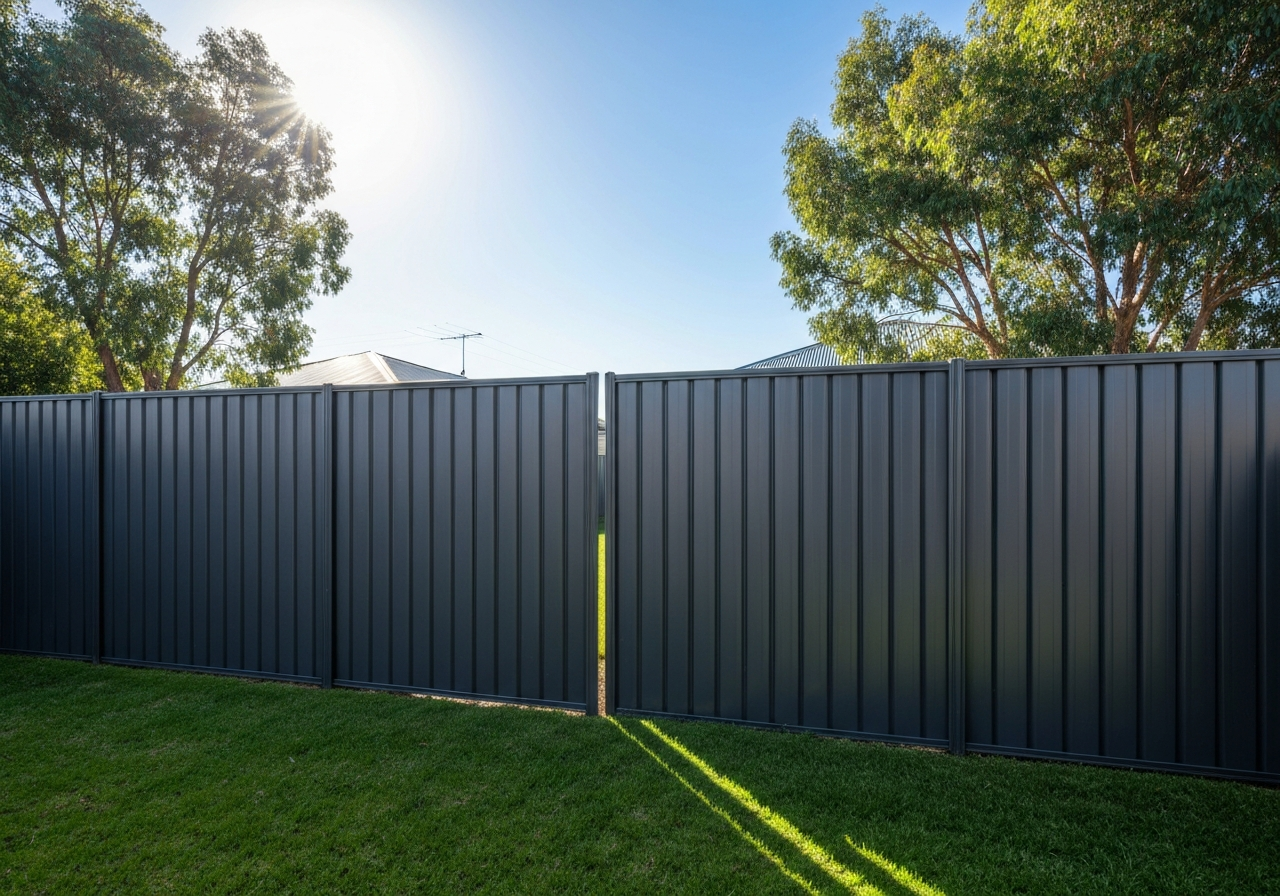
If the spacing problem is serious enough, repair work usually look even worse than the original mistake since you are patching around something that the eye already noticed.
That is why it is usually much better to get it right in the develop. It is cheaper than attempting to "remedy understanding" later.
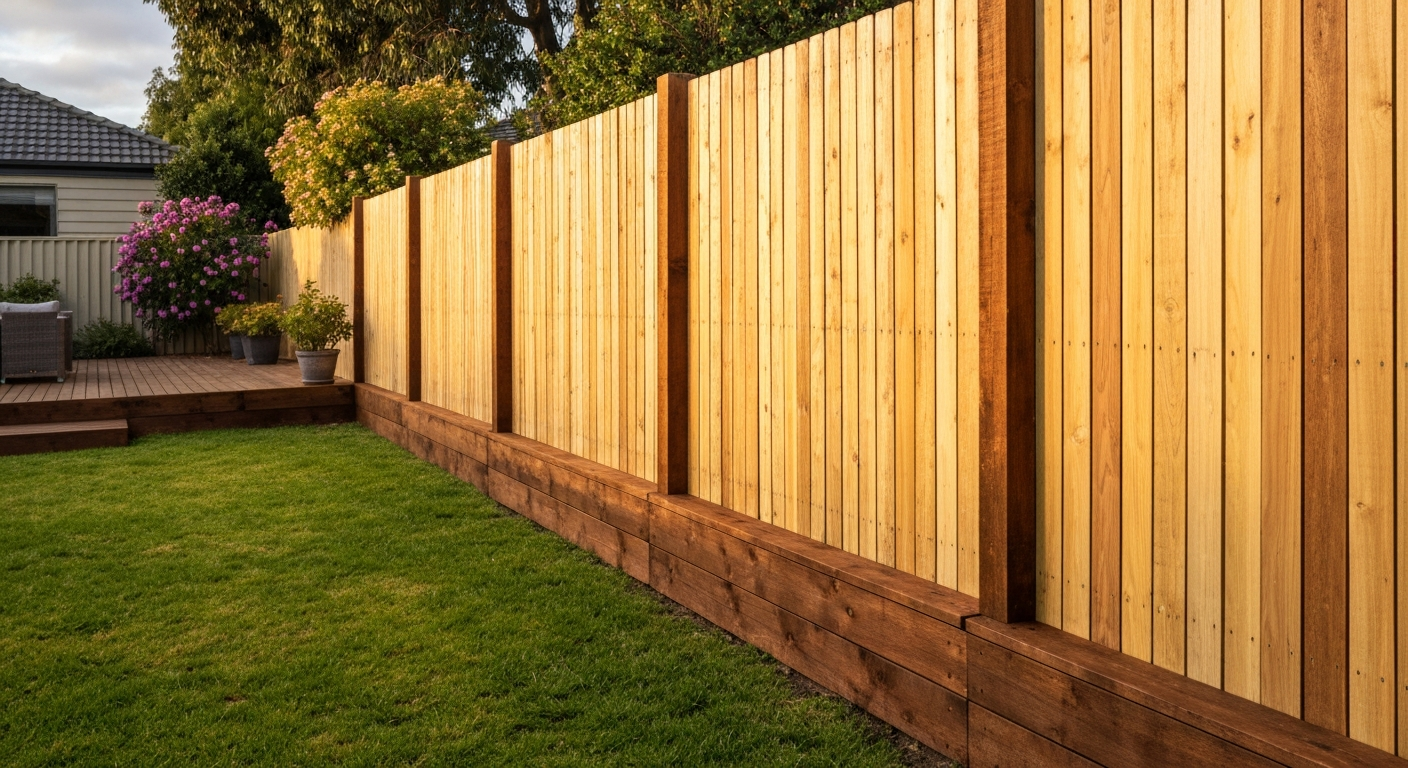
Choosing between "good enough" and the right type of careful
Sometimes individuals make a decision to go with the cheaper fence installer since the fencing looks fine in the shopfront pictures. That can help a brief time. Then wind, weather, and time do what they do, and the fencing exposes its flaws.
The cost distinction in between a rushed job and a careful task commonly comes down to extra monitoring, far better measuring, and even more time spent on the starting areas where placement is established. The materials may be similar, however the top quality of the process alters the final result.
If you have a border fencing that you anticipate to cope with for many years, spacing uniformity is not a high-end. It is the foundation of a fencing that looks organized and ages gracefully.
Closing idea: a fencing is a long line, not a fast task
A fencing installer is not just setting up lumber, slats, or rails. They are building a long line of repeated decisions. Each article collection, each rail positioning, each slat spacing check, each dealing with choice, includes up.
If you obtain the fundamentals right, the fencing looks clean currently and continues to look tidy after climate and time do their point. If you reduced corners, you frequently pay later, either in repairs or in the silent frustration of strolling past a fencing that never ever quite looks straight.
So when you are picking a fence installer, look past the materials and ask just how they establish slats and spacing, exactly how they manage irregular Melbourne ground, and exactly how they maintain the fencing line true over the whole run. That is where the difference lives, and that is exactly how you end up with a fence that appears like it was developed with care, due to the fact that it was.